High-Density Data Center Thermal Validation using CFD
How to guarantee the cooling of the critical IT load before installing the first server?
In critical infrastructure design, uncertainty is the greatest enemy of profitability. To ensure success, Data Center thermal validation is a fundamental step. When facing High-Density projects, exceeding 8-9 kW per rack, traditional rules fail. Spreadsheets are no longer sufficient. Phenomena such as hot air recirculation or cold air bypass are dangerous. Static pressure loss in the raised floor can also compromise operations from Day 1.
In this article, we demonstrate how our team at Atreydes Engineering utilizes Computational Fluid Dynamics (CFD). We use high-precision algorithms to perform Data Center thermal validation and optimize complex designs. This ensures compliance with thermal SLAs under any load scenario.
The Challenge: 24 High-Density Racks and 230 kW of Heat
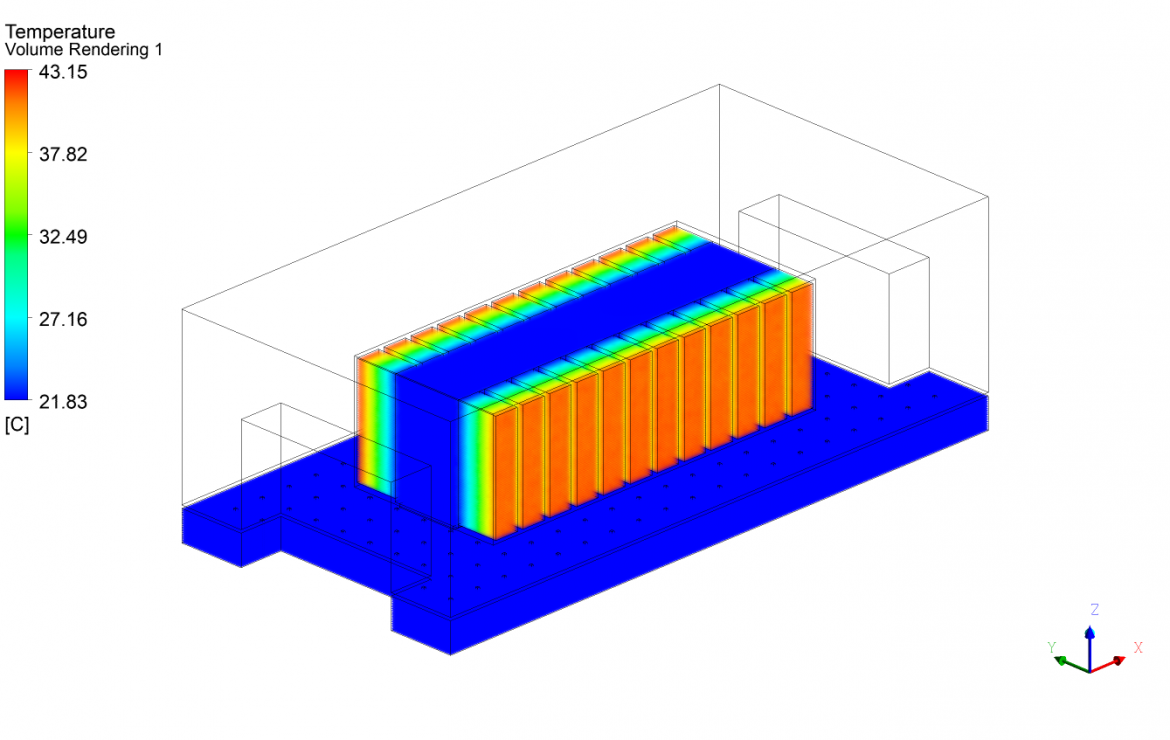
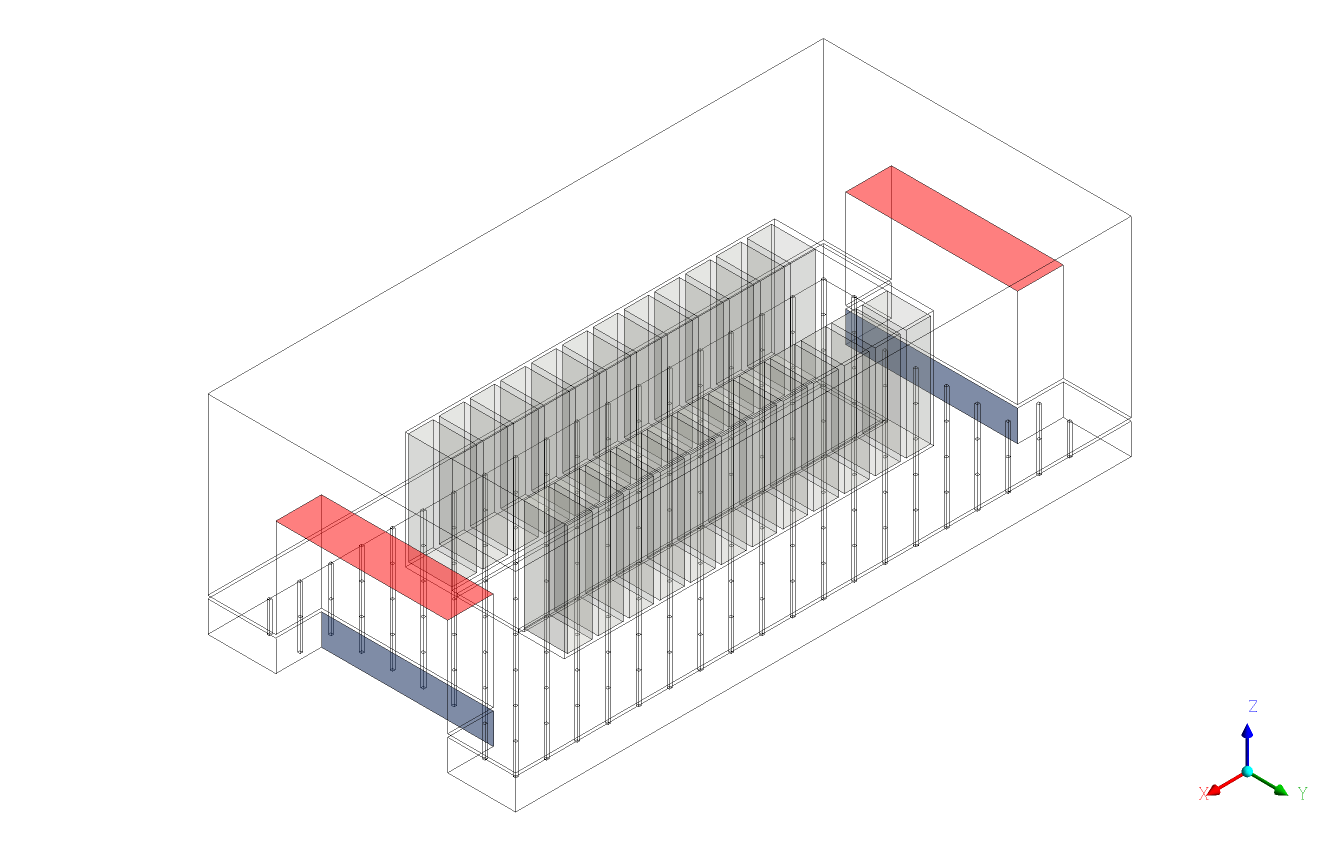
We recently undertook the analysis of an IT room designed to house 24 racks. Each rack has a load of 9.6 kW. The room is cooled by a raised floor downflow system with two perimeter CRAC units.
The challenge was not just “cooling the room,” but answering critical questions:
Our Methodology: Beyond Basic Simulation
Many studies fail because they oversimplify the physics. Our approach to Data Center thermal validation is based on rigorous modeling. We replicate real fluid behavior.
1. "Lumped" Modeling with Physical Precision
2. Advanced Characterization of the Raised Floor
3. Managing Complex Physics (Troubleshooting)
Containment Strategies: Cold, Hot, or Open Aisle?
We validated a Cold Aisle Containment (CAC) architecture in this case. However, our consulting services evaluate the suitability of the topology based on load density:
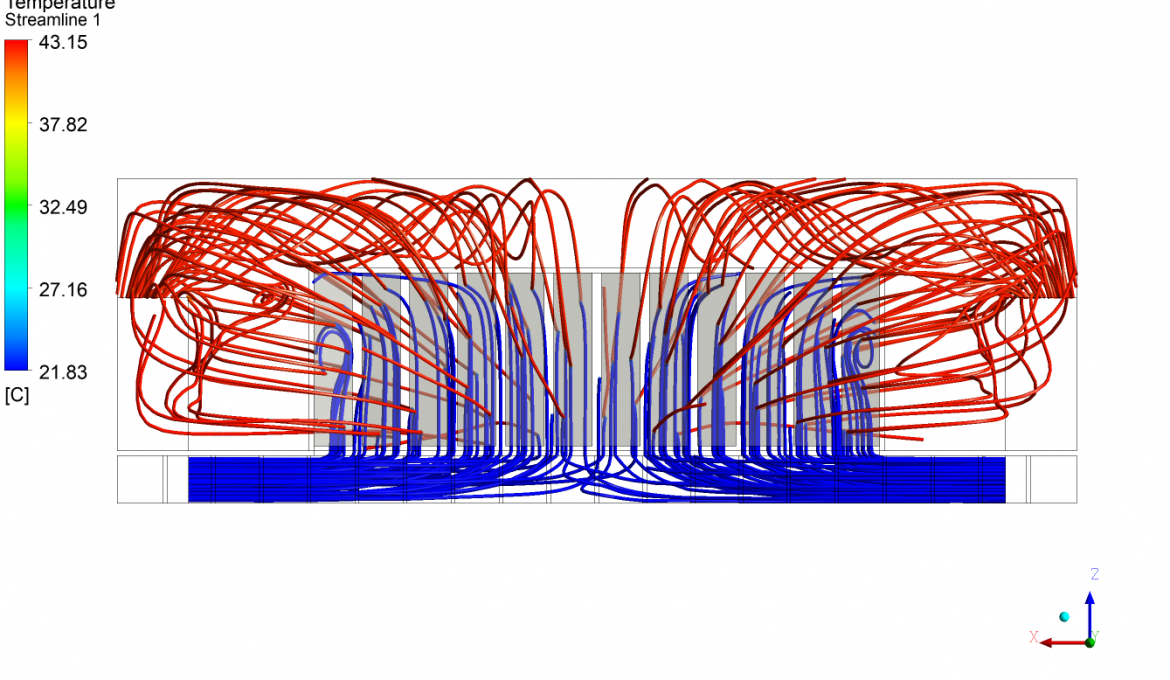
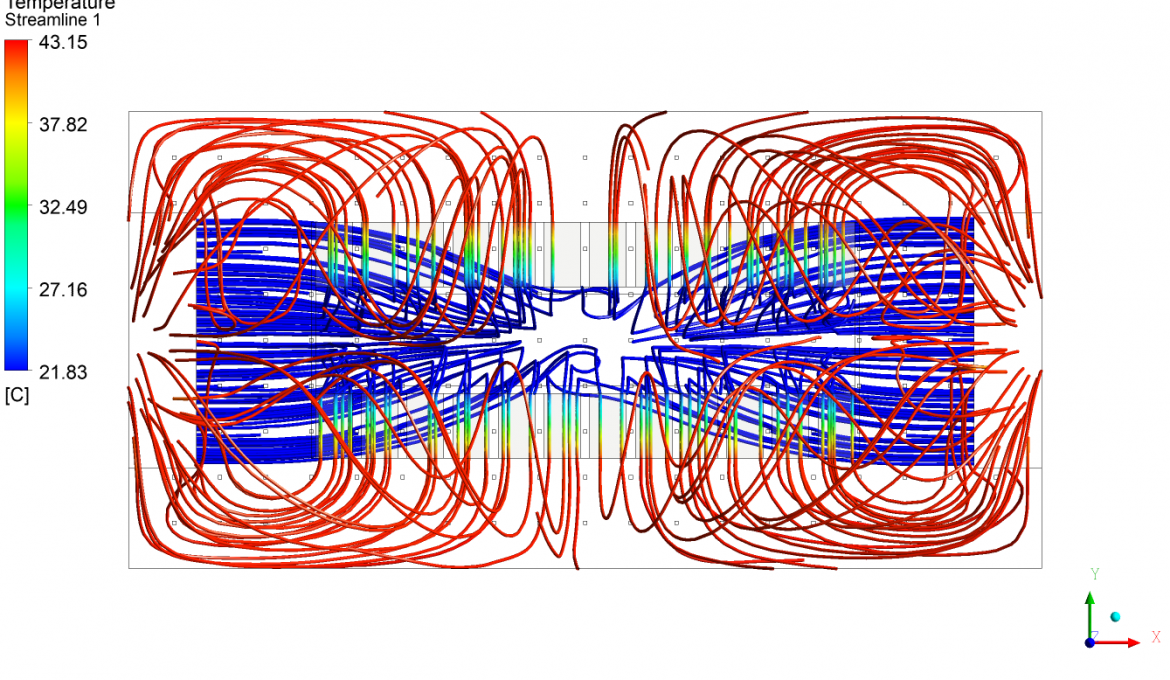

Study Results
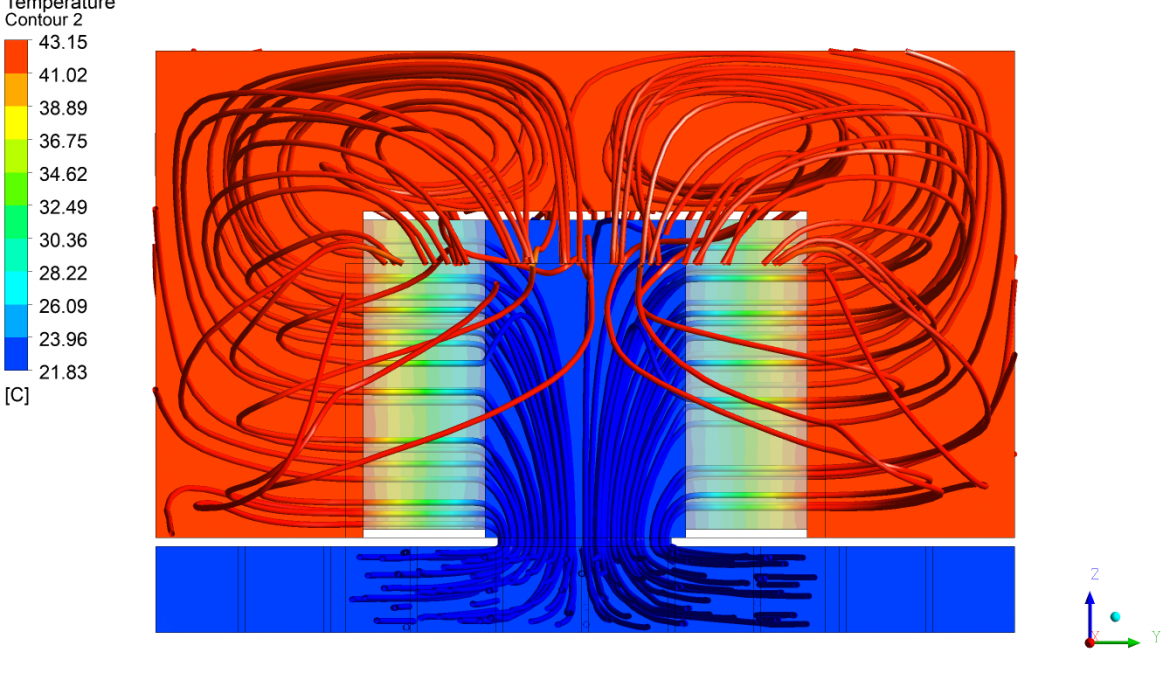
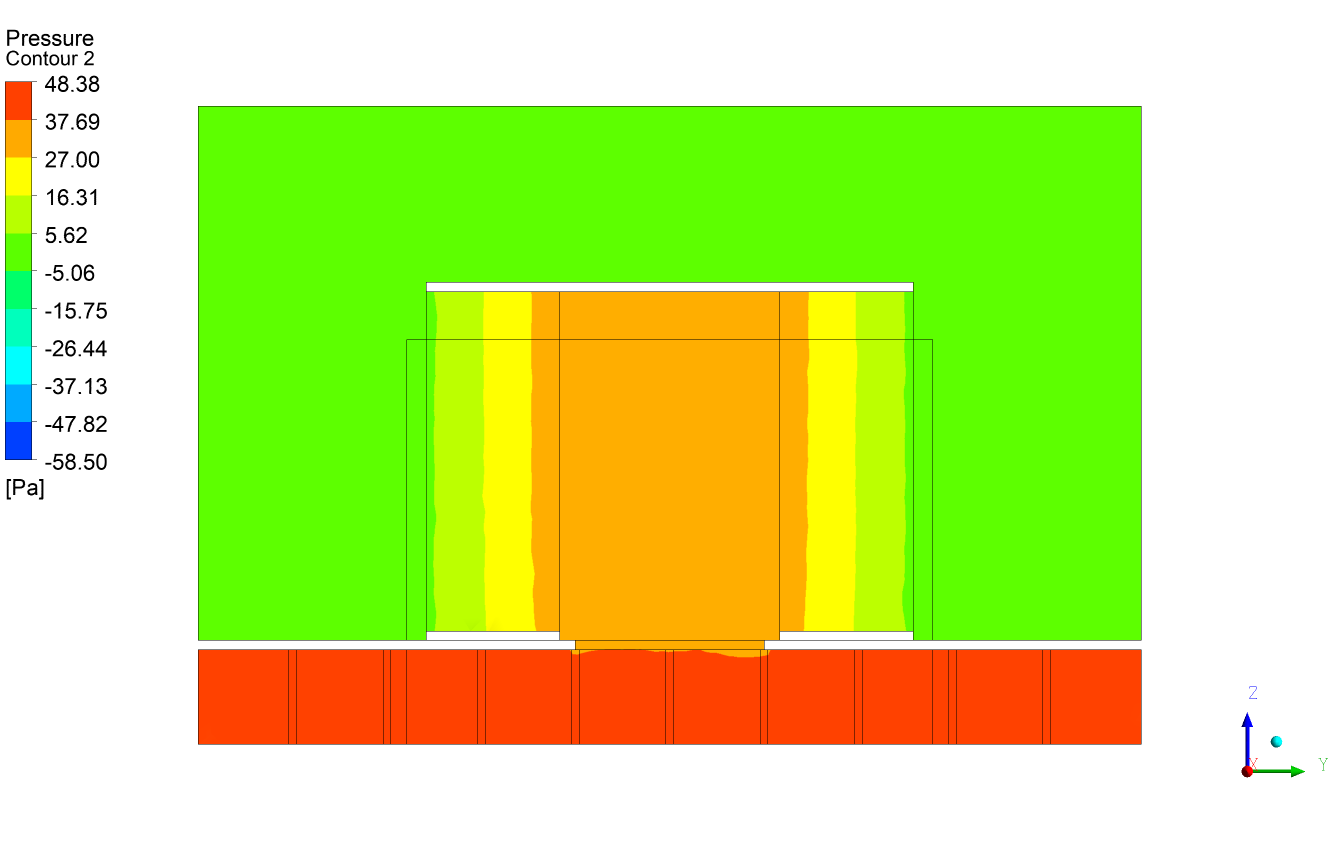
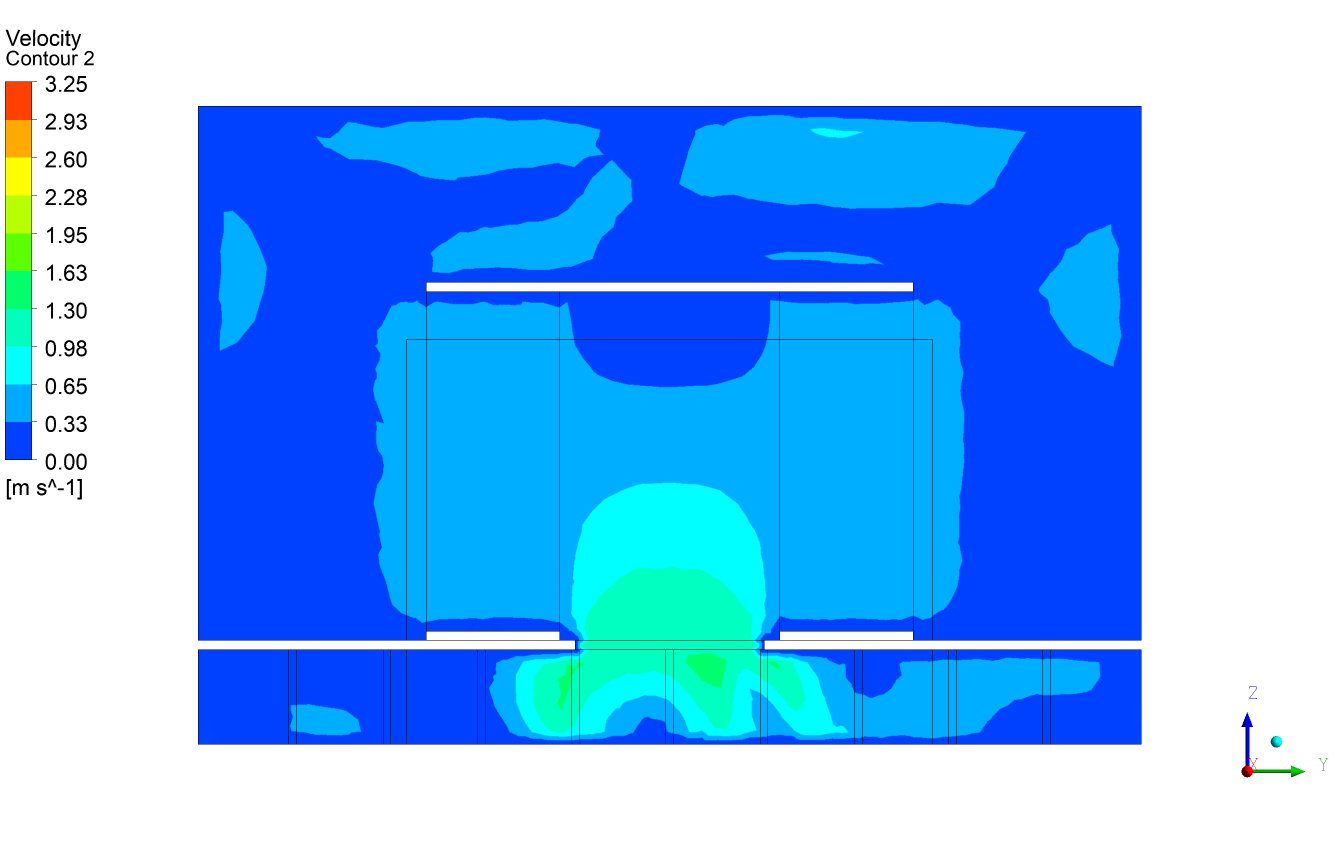
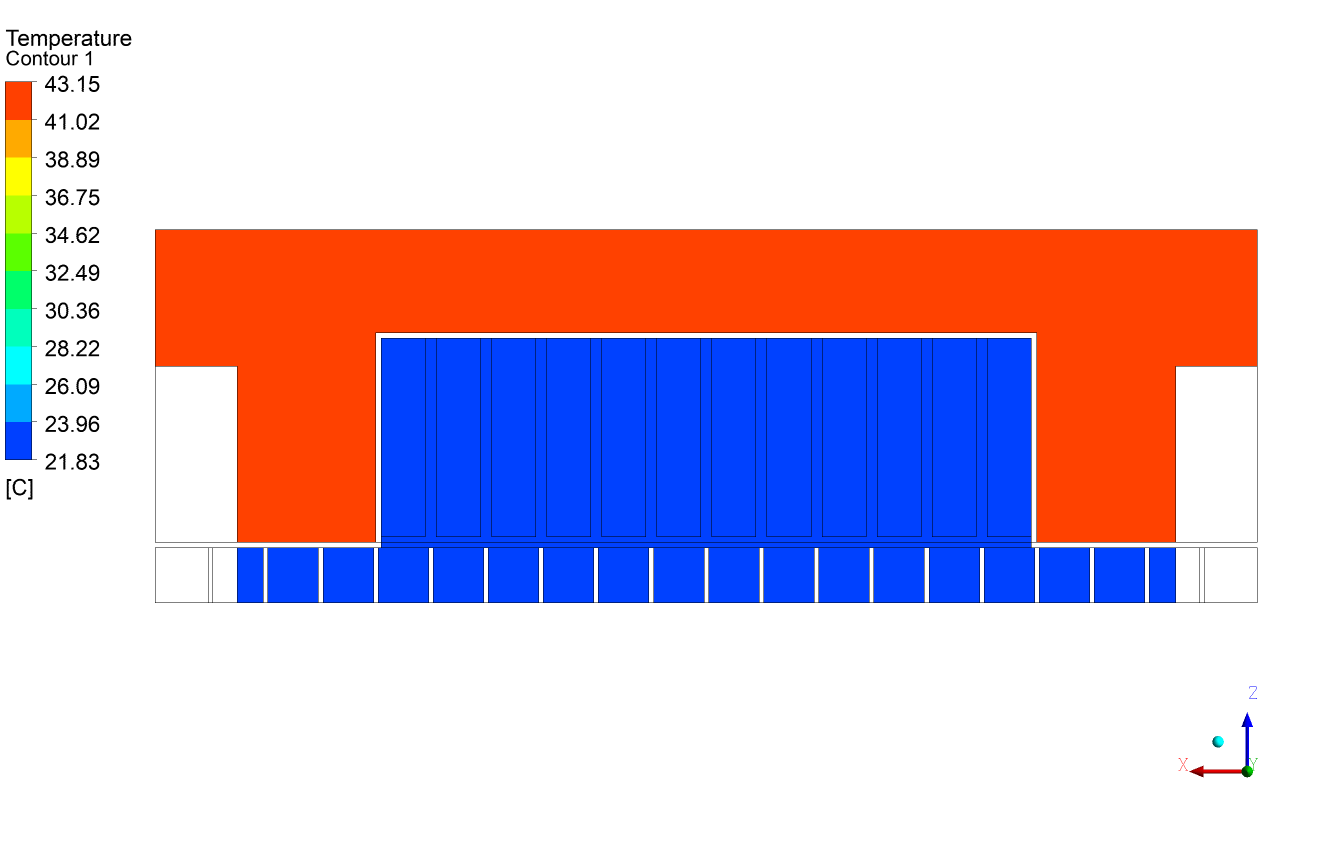
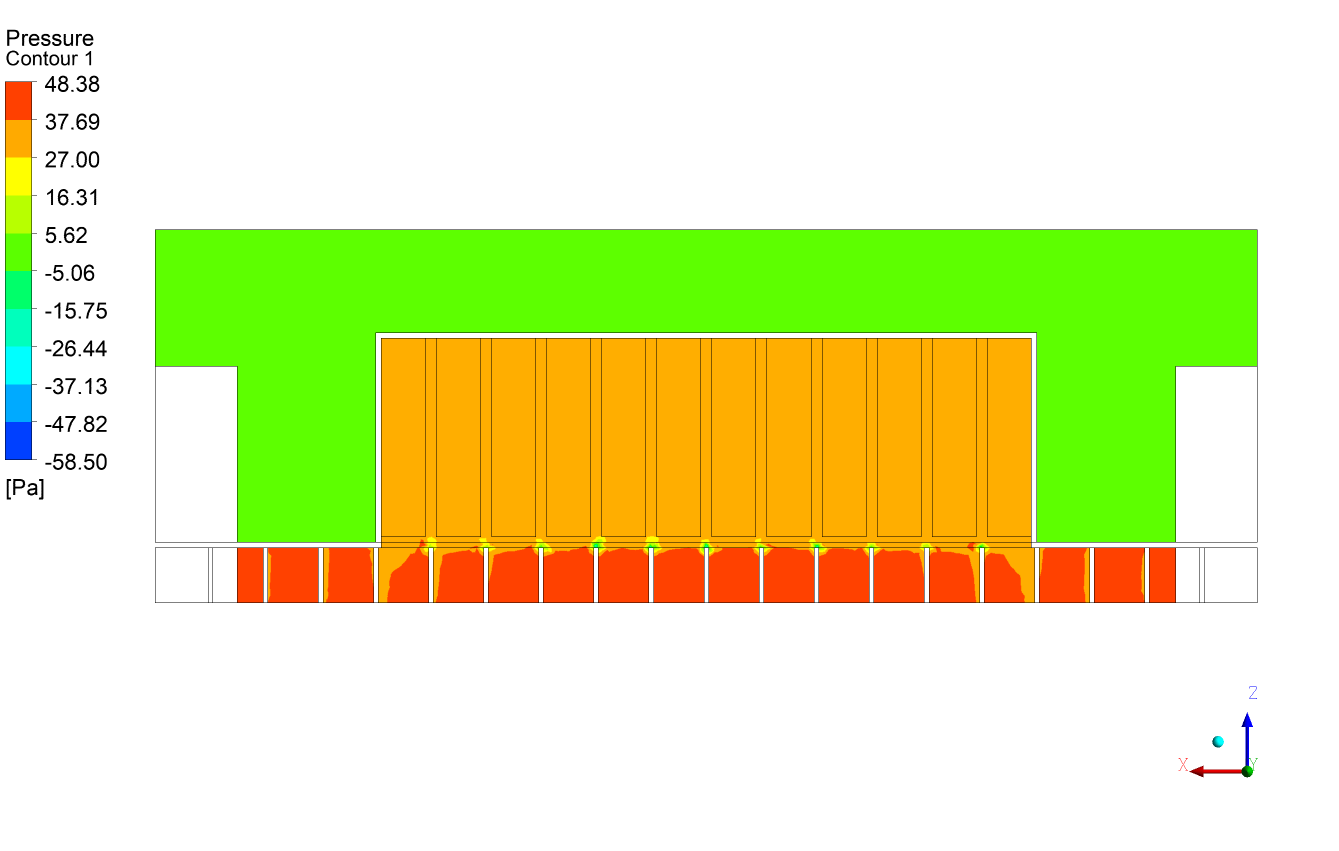
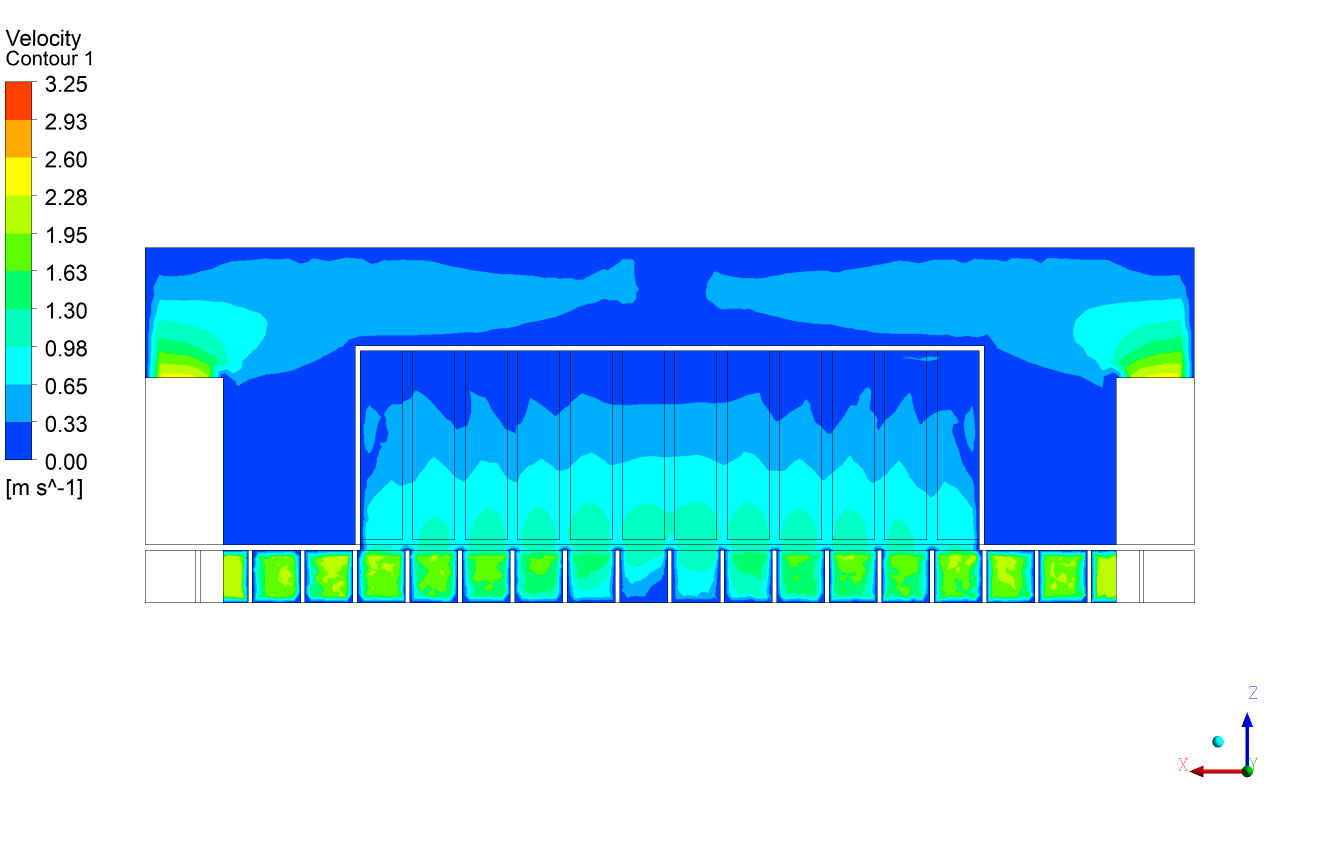
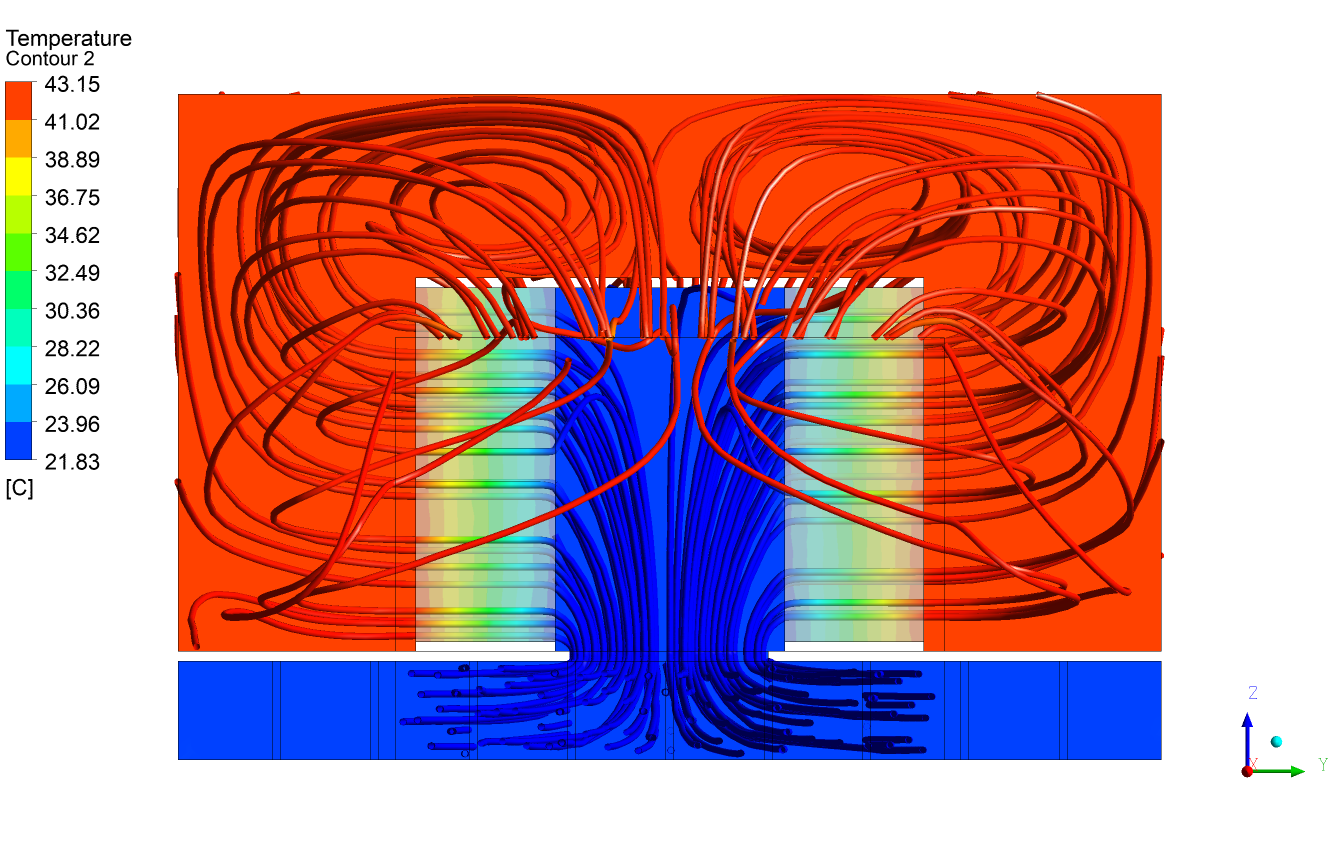
Thanks to this preventive Data Center thermal validation, we delivered actionable conclusions to the client:
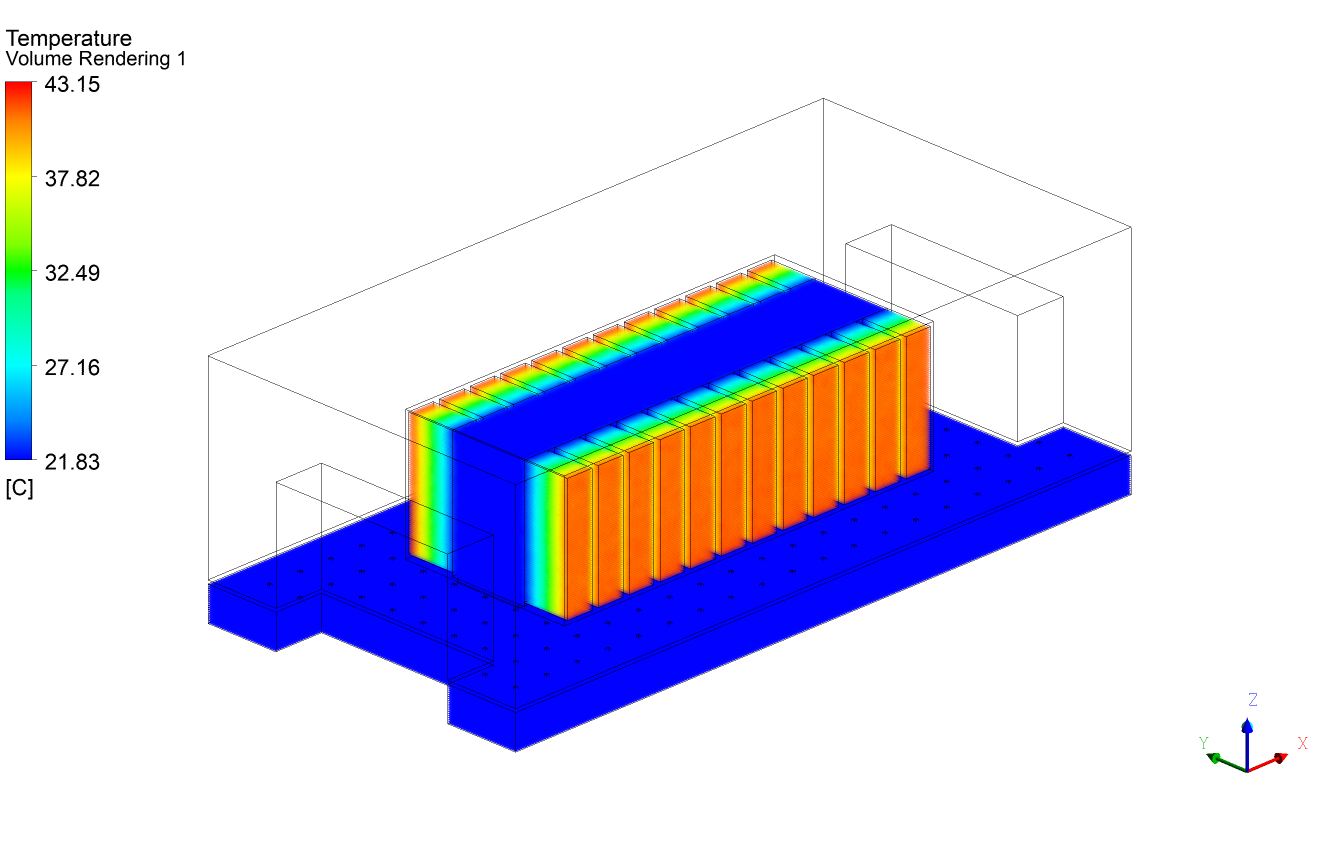

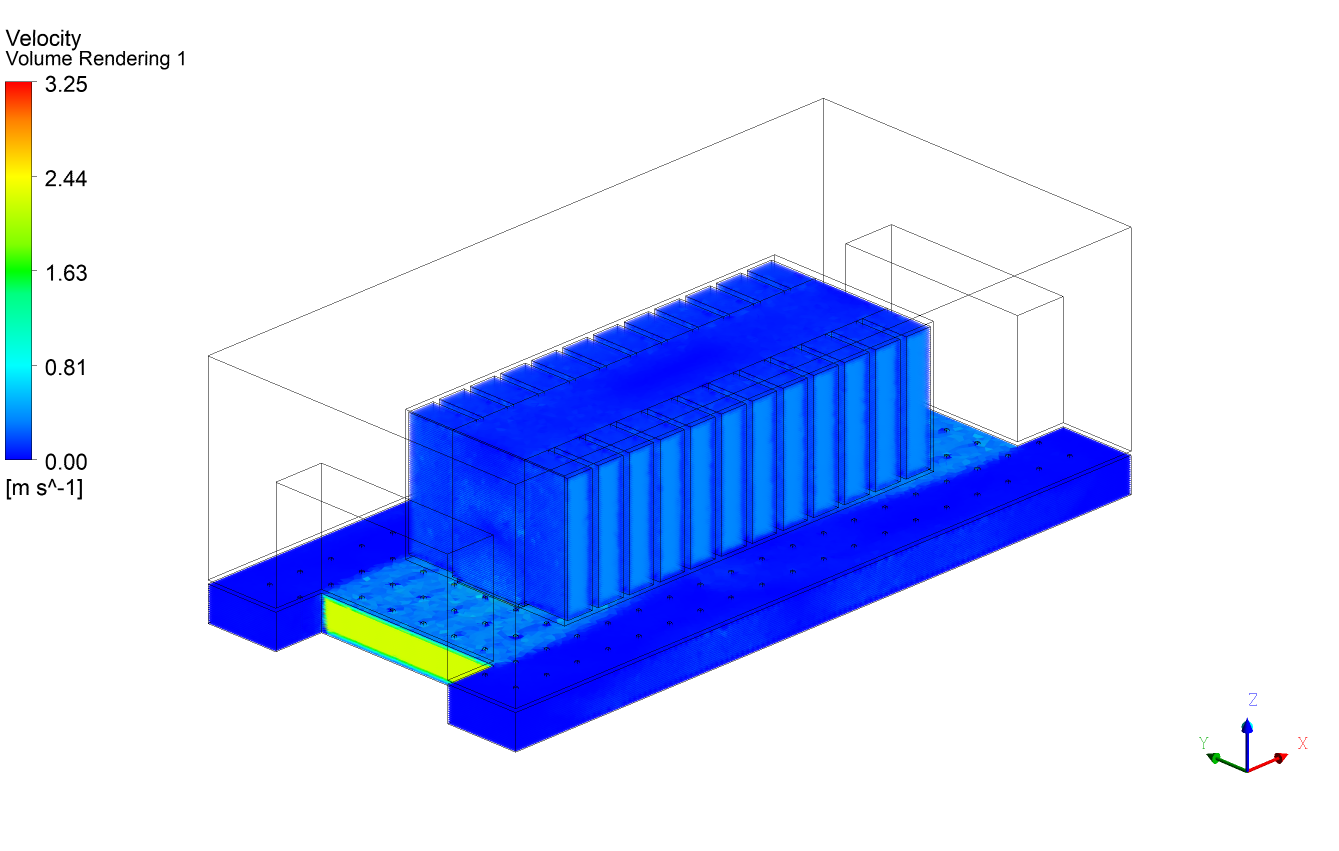

Why Outsource Your CFD Studies With Us?
Software is just the tool; the value lies in the interpretation of the physics.
Conducting these studies in-house is complex. It requires expensive licenses and high-performance computing hardware. It also demands a steep learning curve to avoid convergence errors.
Our proposal is simple: We handle the mathematical and computational complexity. You receive a validated report guaranteeing the design’s performance.
Do you have a critical project or a design that needs thermal validation? Let’s talk about how we can apply these advanced methodologies to your next Data Center.
Projects


About Us